
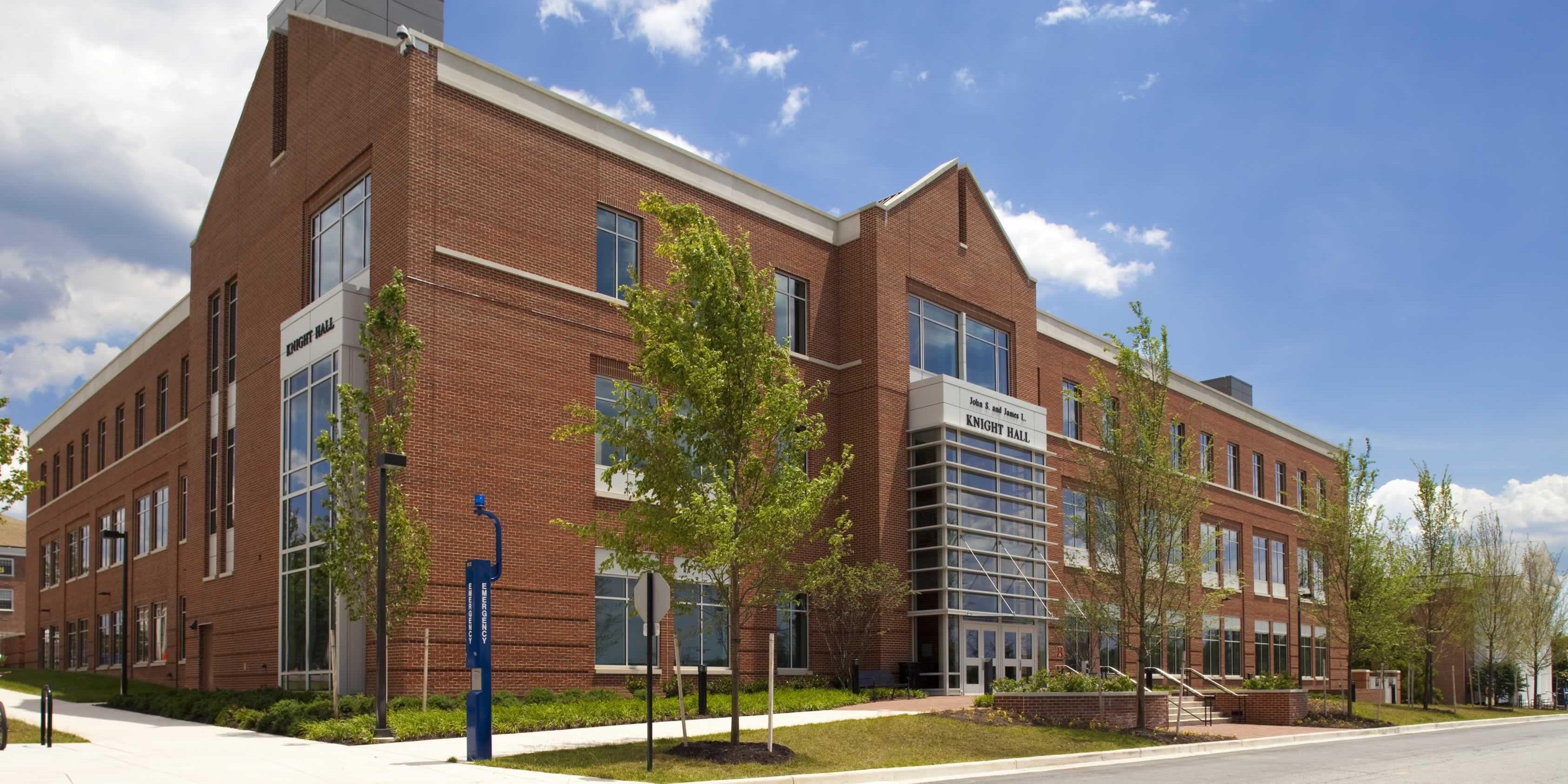
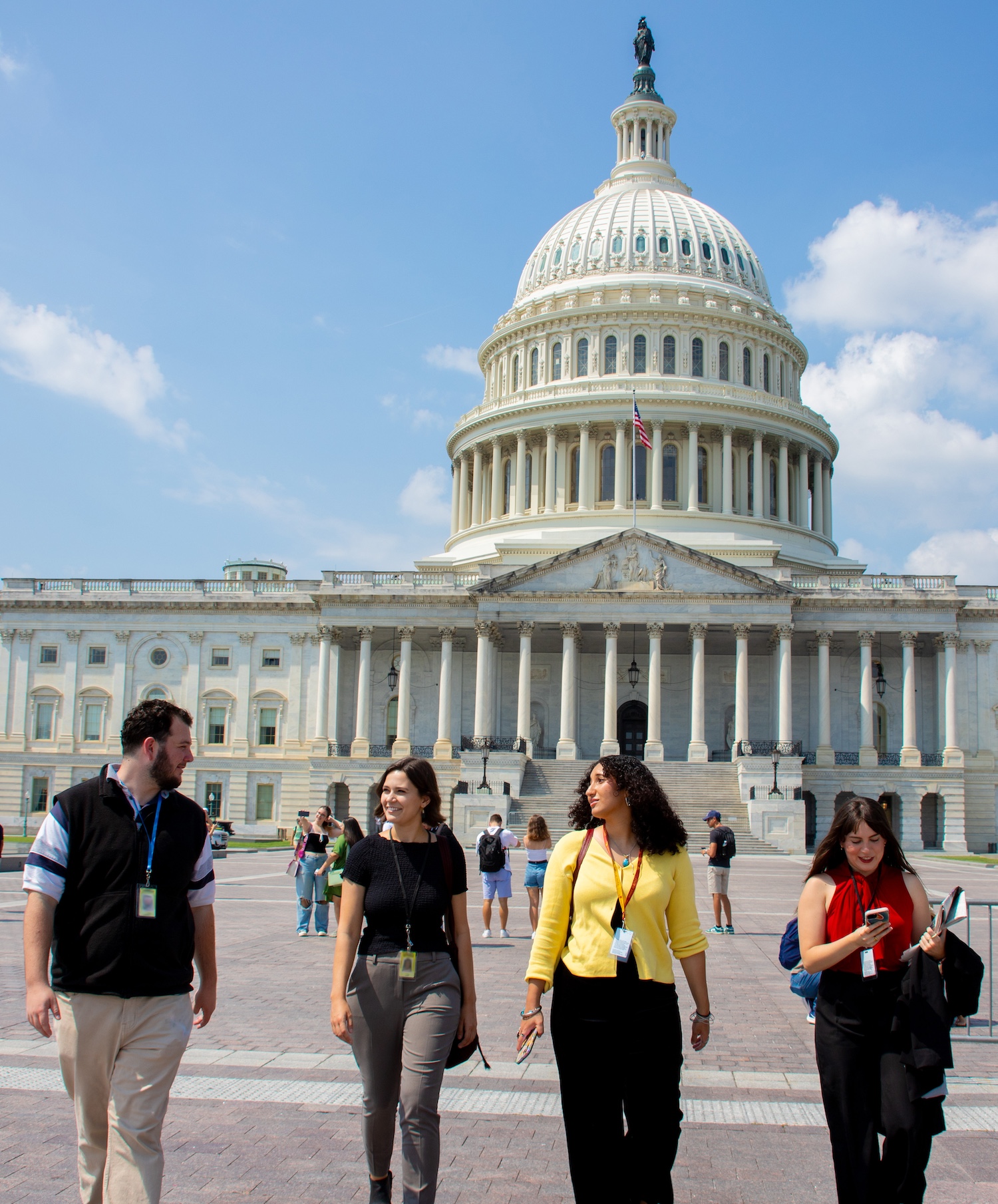
 The Media, Technology and Democracy minor at the nationally renowned Philip Merrill College of Journalism will deepen your understanding of how media and technology influence society — and prepare you to navigate and shape the information landscape in any field.
Students in the program will explore the history of journalism, analyze the impact of emerging media technologies, sharpen their digital literacy skills, and examine how the news media shapes public understanding of politics, culture and society.
Why This Minor
The minor is an ideal pairing for students pursuing careers in government, public policy, public health, business, communication or information of any kind.
Students will expand their fluency in such topics as:
- Social justice
- Social media
- Artificial intelligence
- Investigative journalism
- Censorship and disinformation
- The value of a free press
This minor is a great fit for students who want to:
- Navigate today’s complex media environment
- Make informed decisions using information and data
- Communicate more effectively across platforms
- Identify and counter mis- and disinformation
Have questions?
Want to learn more about the minor, schedule an advising appointment or explore becoming a journalism major? Contact us at jouradvising@umd.edu or 301-405-2399.
Curriculum
The Media, Technology and Democracy minor is a total of 15 credits, including one required course (JOUR200, Journalism History, Roles and Structures), and four approved journalism electives, one of which would come from the 100 to 200 level.
Courses
Required Course (3 credits):
- JOUR200: Journalism History, Roles and Structures
One Lower-level Elective from the Following Options (3 credits):
- CPMS225: Analyzing Media Practice through Theory
- JOUR150: Introduction to Mass Communication
- JOUR175: Media Literacy
- JOUR281: Media Law and Ethics in the Digital Age
- JOUR282: Beyond Facebook: How Social Media are Transforming Society, Culture, Business and Politics
- JOUR283: Probing War: Investigative Narratives and American Conflicts
- JOUR284: Scandal: Exposing Corruption, Justice, and Vice in America
- JOUR289I: Information 3.0: Exploring Technological Tools
Three Upper-level Electives from the Following Options (9 credits):
- JOUR447: Sports, Protest and the Media
- JOUR452: Women in the Media
- JOUR453: Media Coverage of Diversity
- JOUR455: Media Entrepreneurship
- JOUR456: Literature in Journalism
- JOUR458A: Machine Editors: Search Engines, Social Media, and the News
- JOUR458B: Sports Media Today
- JOUR458I: Like & Subscribe: An Examination of News Influencer
- JOUR458J: Covering Social Justice
- JOUR458K: The Changing Role, Responsibilities and Norms of Journalism
- JOUR458R: From Censorship to Invasion: How the Silencing of Media Enabled Repression in Russia and the War in Ukraine
- JOUR458V: The Power of the Writing Voice: Covering Celebrities, Art Exhibits, Concerts, and Theater
JOUR458Y: Digital Security in Journalism and Public Life
- JOUR458Z: Great Storytelling and Great Storytellers
- JOUR459I: History of Investigative Journalism
- JOUR459J: The Media's Role in Investigating Foreign and Domestic Extremists
- JOUR459M: The Business of News and the Media
- JOUR459P: Censorship and Disinformation in the 21st Century: The New Global War for Political Power
- JOUR459X: Covering the Sneaker Industry and Culture
- JOUR459Y: Israel in Regional, International, and U.S. Media and Social Media
- JOUR459Z: Race, Journalism, and Democracy in the United States
A grade of C- or better is required in all minor courses. Note: Additional courses beyond those listed may be added later by the college to satisfy the 12 credits of electives.
Frequently Asked Questions
Can I do this minor and the journalism major?
UMD does not allow for more than six credits (or two courses) of overlap between a minor and a major, so this minor was designed for students who are interested in media, democracy and technology but do not have space to complete the journalism major instead.
How can I become a journalism major?
Almost all classes required for this minor can transfer to the journalism major, so if you are interested in switching programs, please contact us at jouradvising@umd.edu or 301-405-2399.
How many semesters does it take to complete the minor?
While the five classes required for this minor could technically be completed in one semester, two to four semesters are recommended.
Can I take courses abroad?
Yes, if your study abroad program offers classes that fit within the minor’s curriculum.
For More Information

Josh Madden
Assistant Dean, Undergraduate Studies

Rachel Pleatman
Assistant Director for Undergraduate Studies
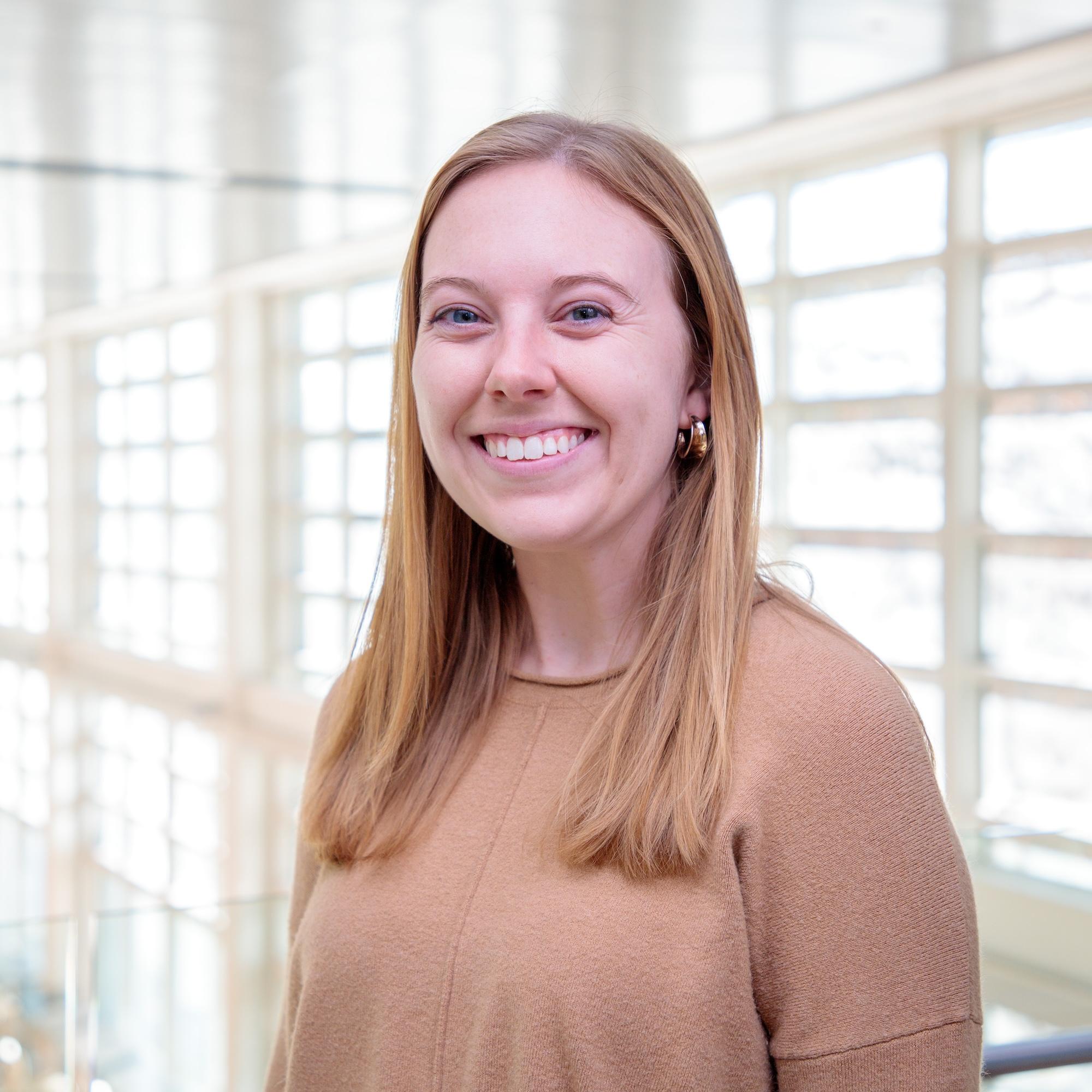
Emily Lang
Academic Advisor
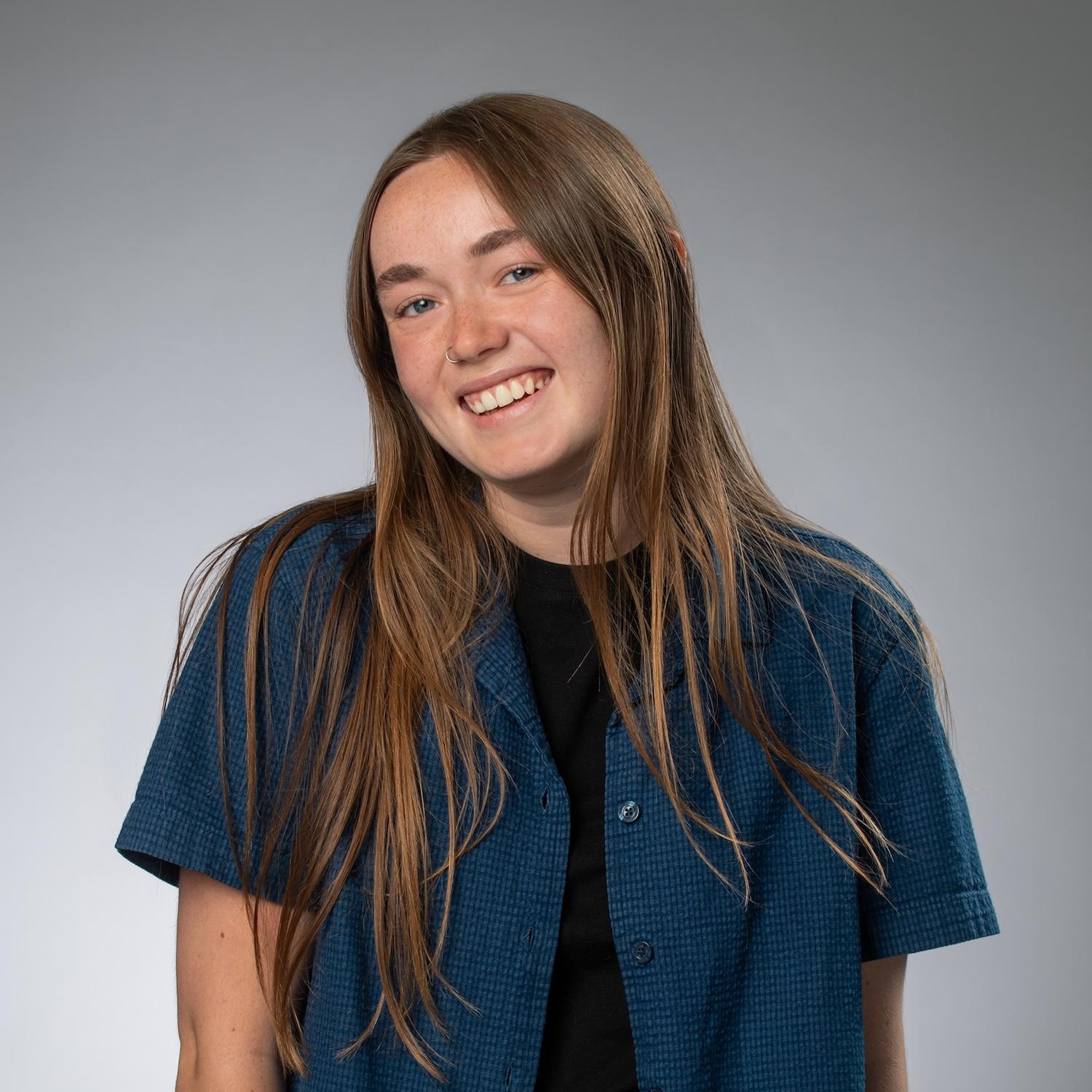
Senia Manson
Graduate Assistant Academic Advisor